Slat Conveyor Daily Maintenance: Cleaning, Lubrication and an Inspection Checklist
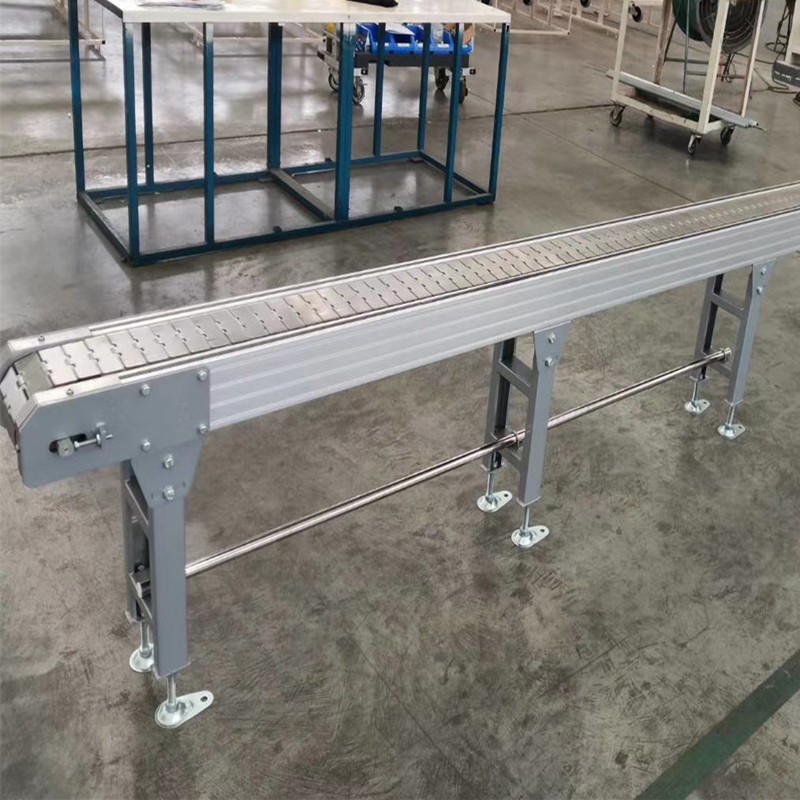
Quick answer: A slat conveyor lasts longest with routine care — the conveyor body can be hosed down, but drive and control sections must never get wet; switch off after use and clean the surface regularly; check chain tension, slat wear and lubrication on a fixed schedule; and leave repairs to qualified maintenance staff.
Maintenance checklist
| Interval | Tasks |
|---|---|
| Daily | Switch off after use; remove residue from the surface; listen for abnormal noise or sticking |
| Weekly | Wash or scrub the line; check for broken or lifted slats; check guide rails and side guides for looseness |
| Monthly | Check chain tension and wear; inspect sprocket teeth; lubricate as specified; check gearbox oil level and temperature |
| Yearly | Full check of chain elongation, bearings and gearbox; replace slats and sprockets worn beyond limits |
Precautions
- Wash the conveyor body only: slat lines are easy to clean and can be hosed down, but never wash the drive or control sections — it can damage components, cause shock or accidents.
- Switch off promptly: turn the power off after use, then clean.
- Qualified maintenance: repairs should be done by trained staff; never clear jams with the line live or running.
Features and typical industries
The slat surface is flat and smooth with low friction, carries heavy loads and suits long runs. Lines can be straight or custom curved; custom curves demand higher precision and are harder to build.
| Industry | Typical frame material |
|---|---|
| Appliances (air conditioner, fridge, washing machine assembly) | Powder-coated or galvanised carbon steel |
| Clean rooms, food, tobacco, liquor, beverages | Stainless steel |
| Luggage, automotive, motorcycle, engine assembly | Carbon or stainless steel by load |
FAQ
How often should a slat conveyor be lubricated?
It depends on running hours, load and environment — usually checked and topped up monthly. Food lines should use food-grade lubricant or self-lubricating plastic slats.
What should I do about chain elongation?
First take it up with the tensioner. Once elongation exceeds the allowed limit or slats are badly worn, replace the chain as a set and check the sprocket teeth too — mixing new and worn parts accelerates wear.
Related equipment
- Chain Plate Conveyor — bottles, food and appliance assembly
- Chain Conveyor — pallets and heavy loads
- Need maintenance training or service? Contact our engineers.
Our engineers offer free selection and solution design