Roller Conveyor Bearings: Usage Precautions, Installation and Failure Causes
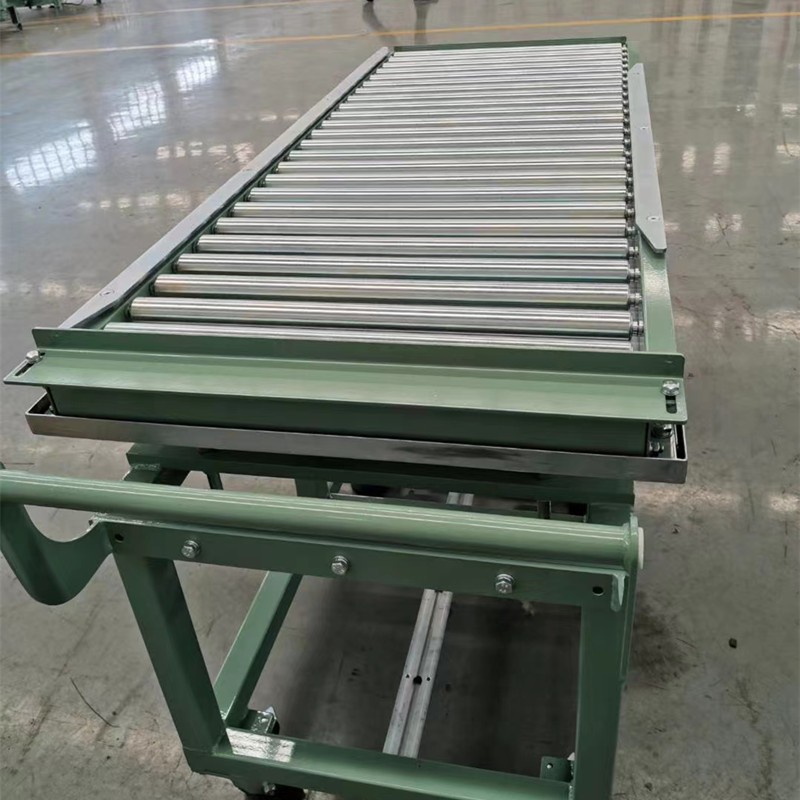
Quick answer: Roller bearings are the parts most likely to fail early on a roller conveyor. In service, avoid heavy impact, keep bearings clean and rust-free, use proper tools and re-lubricate on schedule; before installation, check shaft and housing dimensions and remove burrs. Failures usually come from several causes at once — poor assembly, poor lubrication, overload or contamination.
5 precautions for roller conveyor bearings
- Avoid heavy impact: items dropped onto rollers leave dents and marks on the raceways and, in severe cases, crack or break the bearing. Add a buffer or reduce drop height at loading points.
- Keep bearings and their surroundings clean: dust inside a bearing accelerates wear. Clean around rollers regularly and use sealed bearings in dusty plants.
- Prevent rust: sweat from bare hands causes rust — wear gloves when handling bearings. In wet or wash-down areas use stainless or rust-protected bearings.
- Use the right tools: press and pull bearings with proper tools; never hammer them directly or improvise.
- Lubricate on schedule and set a procedure: know each bearing's type and lubrication needs, top up on a fixed interval, and write inspection, lubrication and replacement into your maintenance checklist.
Common causes of bearing failure
| Category | Causes |
|---|---|
| Installation and use | Poor assembly, overload, impact, vibration |
| Lubrication | Insufficient or degraded lubricant |
| Environment | Abrasive particles or harmful liquids, very high or low temperature, stray electric current |
| Product | Material defects, low manufacturing precision |
In practice two or more failure mechanisms often act together, appearing as a single failure mode in one case and a combination in another. Look at operating environment, load and lubrication records together rather than simply replacing the bearing.
Two checks before installation
1. Prepare the bearing
Bearings ship rust-protected and packed — open the package only just before installation. The anti-rust oil has good lubricating properties, so general-purpose or pre-greased bearings can be used without washing. Do not leave unpacked bearings lying around; they rust easily.
2. Inspect shaft and housing
- Clean the shaft and housing and make sure there are no scratches or machining burrs;
- Make sure no abrasive, moulding sand or chips remain inside the housing;
- Check that shaft and housing dimensions, shape and finish match the drawing.
FAQ
How often should roller conveyor bearings be lubricated?
It depends on running hours, load and dust. Shorten the interval for continuous operation or dusty plants. Sealed, pre-greased bearings usually need no top-up, but check regularly that they turn smoothly and quietly.
Does a noisy or sticking roller mean the bearing has failed?
Usually it means wear, contamination or failed lubrication, but a loose roller shaft or a distorted frame can cause the same symptom. Stop the line and turn the roller by hand before deciding whether to replace the bearing or the whole roller.
Related equipment
- Straight Roller Conveyor — the standard horizontal roller line
- Heavy-Duty Chain Roller Conveyor — pallets and heavy loads
- Need help diagnosing an existing roller line? Contact our engineers for a free assessment.
Our engineers offer free selection and solution design